FASCIA FLOW & STRETCH
YOGA (HATHA & YIN) + MYOFASCIAL RELEASE
PACE: MEDIUM (MODERATE INTENSITY)
Hatha yoga emphasizes postures and breathing techniques that aim to channel life force or prana. The term "Hatha" refers to the balance and harmony of body, mind, and breath. This style of yoga is usually practiced at a slower pace and incorporates more static holds, with each movement synchronized to the breath. Hatha yoga promotes grounding and calmness while encouraging mindful observation. Yoga master T.K.V. Desikachar emphasized that the true success of yoga lies not in the ability to perform postures, but in the positive impact it has on our lives and relationships. This class is designed with a focus on finding suitable adaptations and modifications for each student, ensuring that everyone can pursue their individual journey.
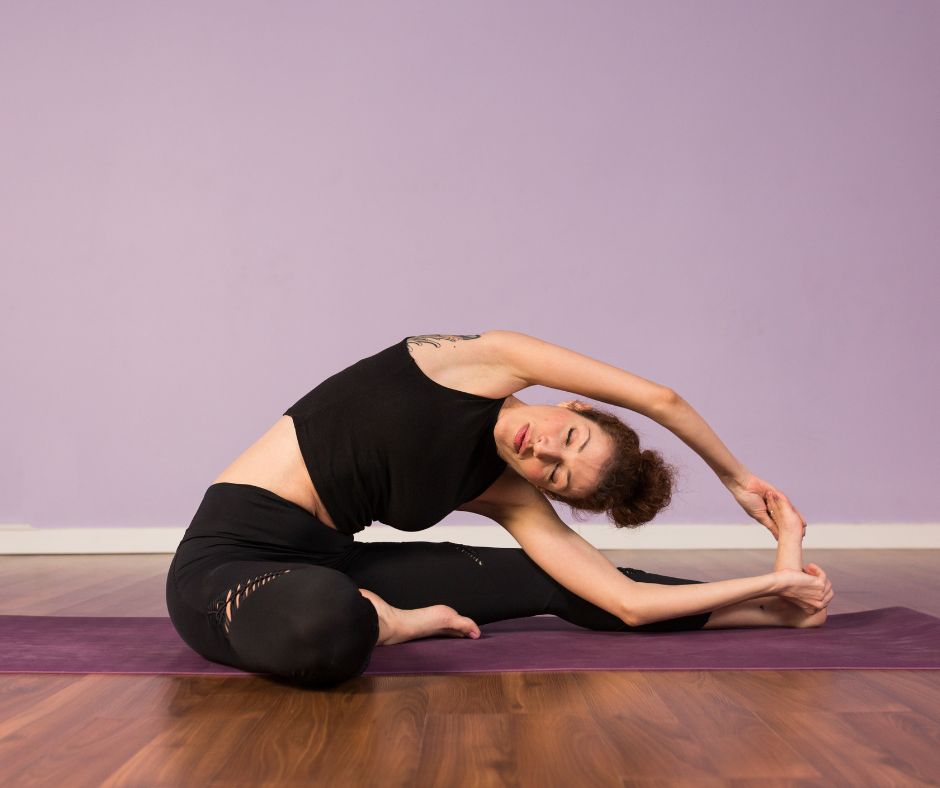
Yin yoga is a slow, passive style of yoga that involves holding floor-based poses for longer periods to target deep connective tissues like ligaments, joints, and fascia. Unlike more active styles that focus on muscles, yin yoga aims to improve flexibility and circulation in the joints and stimulate the body's subtle energy flow. It is based on the Taoist concept of yin and yang, emphasizing stillness and internal focus to calm the nervous system and promote deep physical and mental rest.
Myofascial release is a therapeutic technique that uses gentle, sustained pressure and movement to address areas of tension, tenderness and restriction within the muscles and surrounding connective tissues (fascia). Fascia is a continuous network of connective tissue that surrounds, supports and connects muscles, bones, organs and other structures throughout the body. Factors such as repetitive movement, energy blockages, poor posture, inactivity, or sustained injuries, contribute to feelings of stiffness, tension and restricted movement. Self-myofascial release uses simple tools, such as massage balls, to apply targeted pressure to selected areas of the body. This can help ease muscular tension, improve comfort and support greater freedom of movement. Fascia forms the largest system in the body, as it connects to all other systems.
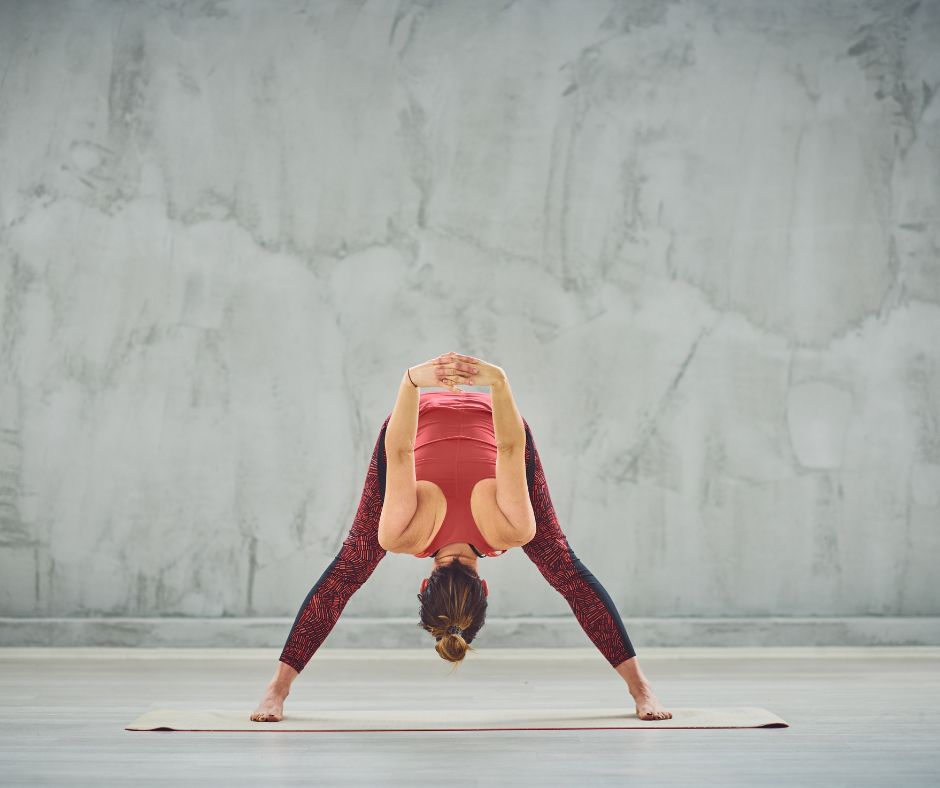
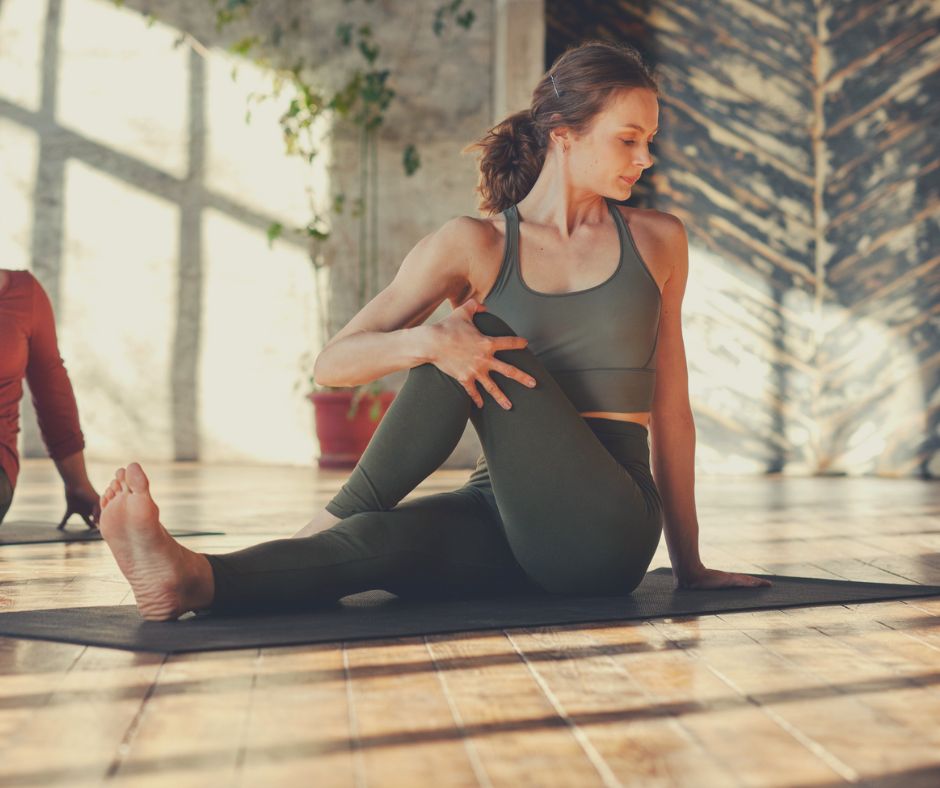
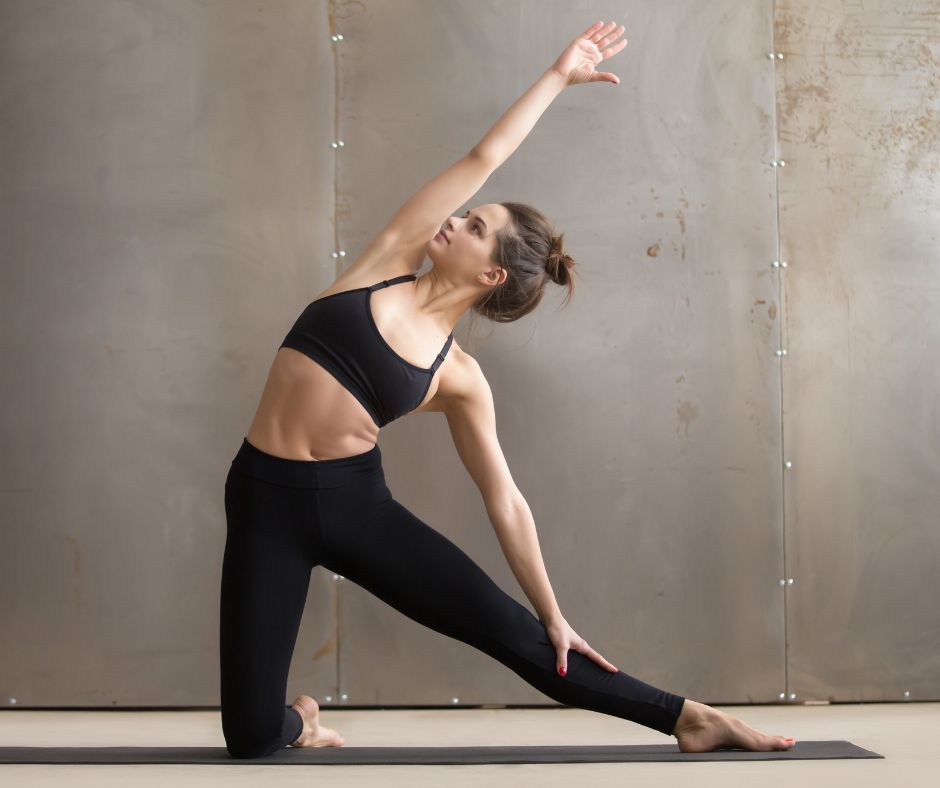
This is a medium-intensity, slow-paced class that combines mindful Hatha movement, longer Yin-inspired stretches and self-myofascial release techniques to support fascial health, mobility, strength and flexibility. The practice moves between active and passive approaches, using fluid movement, gentle muscular engagement and sustained postures to explore the body's connective tissue network. Inspired by therapeutic yoga principles and the teachings of T.K.V. Desikachar, each class encourages mindful movement, conscious breathing and a deeper understanding of how the body moves and responds. Expect a balanced combination of flowing sequences and longer-held postures, with an emphasis on improving mobility, developing functional strength, easing muscular tension and exploring comfortable ranges of movement without forcing or overstretching the body. Self-myofascial release may also be incorporated using simple tools such as massage balls and blocks to address areas of tension and stiffness. The practice gradually slows towards the end, with a selection of Yin-inspired postures to encourage relaxation and release. Each class includes an extended Savasana and a central theme to encourage introspection, deepen body awareness and bring greater meaning and intention to your practice.
This class is suitable for beginners and more experienced practitioners who enjoy mindful movement and want to develop greater strength, mobility and flexibility while caring for their connective tissues. It is particularly suited to those who experience muscular tension, stiffness or restricted mobility, or who are looking for a balanced practice that combines movement, stretching and relaxation without fast-paced sequences or high-impact exercise. Postures and movements can be adapted to accommodate individual needs and abilities. However, as the practice includes some weight-bearing postures, it may not be suitable for everyone, particularly those who are unable to comfortably bear weight through their hands, knees or other joints. Please discuss any injuries, pain or physical limitations with me before attending so that appropriate adaptations can be considered.
My classes are guided by a functional, accessible approach to movement, incorporating principles of yoga therapy with an emphasis on spine safety. Yoga therapy uses traditional yoga tools to support individual physical, mental, and emotional health needs and goals. A spine-safe approach recognises that healthy spinal movement is essential, while adapting or modifying postures that may be unsuitable for certain individuals. This functional framework also acknowledges our unique skeletal structures, physical capabilities and individual needs. Rather than expecting our bodies to adapt to a particular practice, I believe in adapting the practice to work with our bodies. I intend to create a supportive, inclusive environment where you can develop greater body awareness, nurture your wellbeing and participate in your own healing journey.